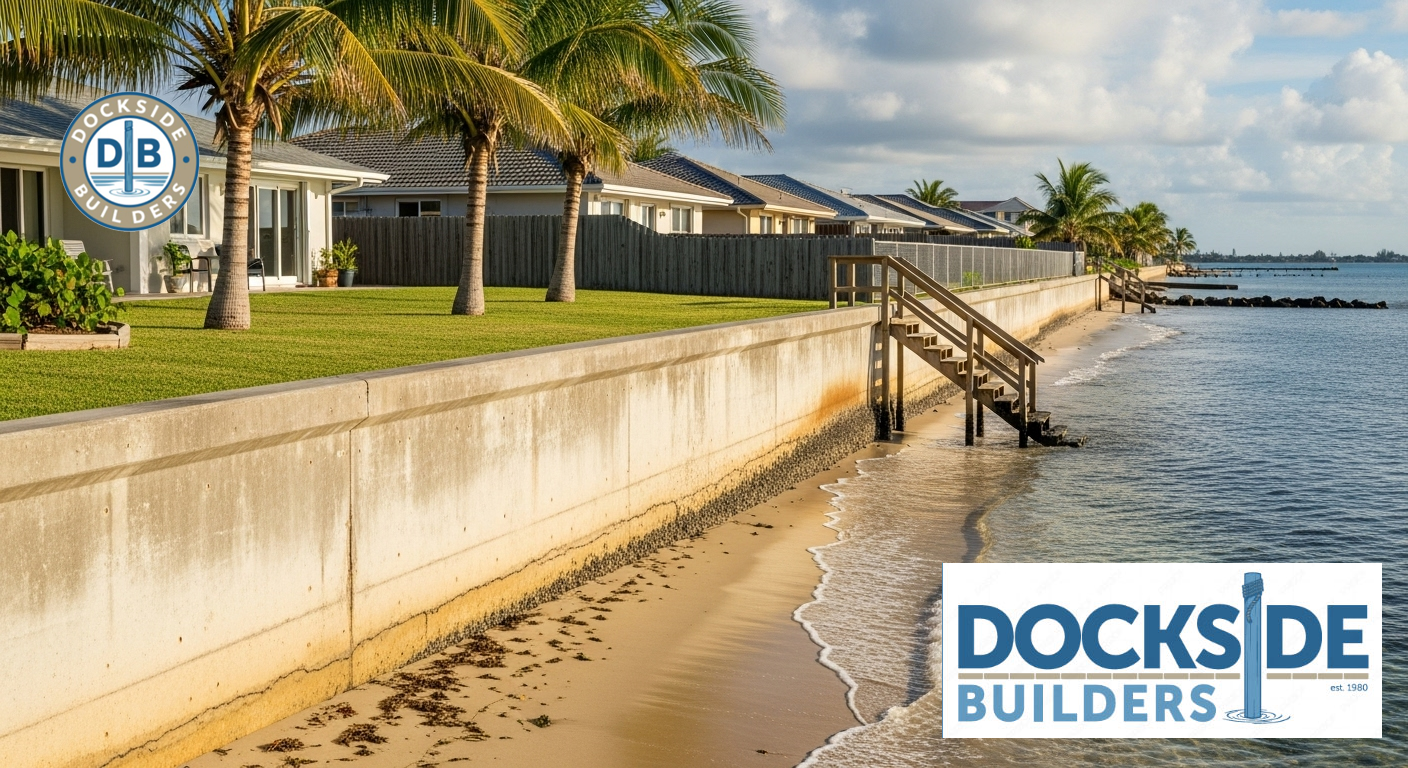
How Seawalls Protect Your Shoreline from Erosion
Seawalls are vital structures for coastal protection. They shield shorelines from the relentless forces of the sea.
Coastal erosion is a significant threat to property safety. It can lead to the loss of land and damage to infrastructure.
Seawalls act as a barrier, absorbing and deflecting wave energy. This helps to prevent erosion and flooding.
Constructed from materials like concrete, steel, and rock, seawalls are designed to withstand harsh conditions.
Properly built seawalls can significantly reduce the impact of coastal erosion. They help maintain the integrity of coastal properties.
The design of a seawall depends on specific coastal conditions. Factors like wave height and tidal range are considered.
Seawalls are part of a broader coastal management strategy. They work alongside beach nourishment and dune restoration.
Regular maintenance is crucial for seawalls to remain effective. This ensures their longevity and continued protection.
Understanding the role of seawalls in erosion control is essential. It helps in making informed decisions about coastal protection.

Understanding Shoreline Erosion: Causes and Consequences
Shoreline erosion is a natural process. It involves the gradual wearing away of the land along the coast. This happens due to various natural forces.
Wave action is a primary cause of erosion. Waves crash against the shore, gradually removing sediment. Over time, this can lead to significant land loss.
Tides also play a role in shoreline erosion. The constant rise and fall of water levels can destabilize the coast. This causes more material to be washed away.
Human activities can exacerbate erosion. Construction, coastal development, and certain recreational activities impact the shoreline. These actions often speed up the erosion process.
Climate change adds another layer of complexity. Rising sea levels and more frequent storms increase the risk of erosion. These conditions threaten coastal regions worldwide.
The consequences of shoreline erosion can be severe. They include loss of coastal land, damage to properties, and the destruction of natural habitats. Such effects can alter ecosystems and local economies.
Understanding the causes and consequences of shoreline erosion is crucial. It helps in developing effective strategies for erosion control. Efforts must focus on balancing human needs with environmental protection.
Main Causes of Shoreline Erosion:
- Wave Action: Constant force reshaping the coastline.
- Tides: Fluctuating water levels eroding sediment.
- Human Activities: Urbanization and land-use change impacting the coast.
- Climate Change: Sea level rise and increased storm intensity.

What Are Seawalls? Types, Materials, and Functions
Seawalls are crucial structures in coastal defense. They are constructed parallel to the shoreline to shield against erosion and flooding. These barriers play a vital role in protecting coastal infrastructure and land.
The types of seawalls vary. Three primary types exist: vertical, curved, and mound. Each type has unique features and specific advantages depending on the coastline’s needs.
Vertical seawalls have a straightforward design. They directly confront waves, deflecting their power. This type is often chosen for its simplicity and effectiveness.
Curved seawalls are engineered to absorb and redirect wave energy. Their design reduces the impact on the wall itself. This ensures longer-lasting protection.
Mound seawalls are built with a sloped, layered structure. This type often includes rocks and concrete, blending with the natural environment. Their design helps in dissipating wave energy gently.
The construction materials for seawalls are diverse. Common choices include concrete, steel, wood, and rocks. The selection depends on durability needs, cost considerations, and environmental factors.
Seawalls serve multiple functions. Primarily, they act as a robust barrier against ocean forces. They not only prevent erosion but also protect against flooding and storm surges, safeguarding coastal properties.
Choosing the right type of seawall involves careful consideration. It must account for local conditions and specific coastal challenges. The decision impacts the effectiveness and longevity of the shoreline protection.
Types of Seawalls:
- Vertical Seawalls: Directly face the waves.
- Curved Seawalls: Redirect wave energy.
- Mound Seawalls: Sloped and layered for natural assimilation.

How Seawalls Work: The Science Behind Erosion Control
Seawalls are engineered marvels that protect shorelines. Their primary function is to mitigate coastal erosion by countering wave energy. They create a physical barrier between the land and the relentless force of the sea.
The science of seawalls involves understanding wave dynamics. When waves hit a seawall, their energy is absorbed, redirected, or reflected. This minimizes the wave’s impact on the shoreline, preventing erosion.
Wave absorption is crucial. Some seawalls are designed to absorb wave energy. This reduces the force that could otherwise lead to shoreline erosion. Materials like concrete and rocks are often used in this process.
Other seawalls redirect wave energy, ensuring it moves away from vulnerable areas. Curved seawalls, for instance, are particularly effective at this. They channel energy away in a controlled manner.
Reflection is another method. Vertical seawalls reflect wave energy back into the sea. This can be efficient but sometimes leads to increased turbulence, needing careful design consideration.
Choosing the right method depends on local conditions. Factors such as wave height, frequency, and tidal range must be considered. This ensures that seawalls fulfill their purpose effectively.
Seawalls work as part of a larger coastal management strategy. They are often integrated with other erosion control measures like beach nourishment. This holistic approach enhances shoreline protection.
Key Functions of Seawalls:
- Wave Absorption: Minimizes force with materials like concrete.
- Energy Redirection: Channels waves away from the shore.
- Wave Reflection: Sends energy back to the sea, using vertical designs.

Benefits of Seawalls for Coastal Property Safety
Seawalls are crucial for maintaining the safety of coastal properties. They serve as a frontline defense against the relentless forces of nature. By providing a barrier, they ensure the integrity of the land behind them.
These structures offer peace of mind to coastal property owners. Knowing that seawalls reduce the risk of erosion and flooding is reassuring. It allows owners to invest in and enjoy their properties without constant fear.
Seawalls help preserve the value of coastal properties. They prevent land loss and property damage, which could otherwise lead to significant financial loss. By safeguarding the land, they maintain or even increase property values.
Additionally, seawalls protect infrastructure like roads and utilities. This is essential for communities that rely on these services. By preventing erosion, they ensure these critical components remain intact and operational.
Seawalls also enhance public safety by reducing flood risk in coastal areas. During storms, they can help control water levels. This minimizes the chance of severe flooding, protecting lives and properties alike.
Moreover, seawalls are part of a sustainable coastal management strategy. When combined with other measures, they effectively contribute to erosion control. This comprehensive approach is vital for long-term shoreline protection.
Key Benefits of Seawalls:
- Property Protection: Safeguards against erosion and flooding.
- Value Preservation: Maintains or increases property values.
- Infrastructure Security: Protects critical community structures.

Seawall Construction: Design, Process, and Key Considerations
Seawall construction is a meticulous process that requires attention to detail. The design must reflect the unique conditions of each coastline. Factors like wave height, tidal range, and local geology are crucial.
Materials for seawalls vary widely, depending on their intended purpose. Common choices include concrete, steel, rock, and wood. Each material has specific advantages and limitations concerning durability and cost.
The process begins with a thorough site assessment. Engineers analyze environmental conditions and assess potential risks. This comprehensive understanding guides the design phase, ensuring optimal seawall performance.
Once designed, the construction phase begins. It involves several steps: excavation, foundation setting, wall construction, and finishing touches. Precision at each step ensures the longevity and effectiveness of the seawall.
Project duration and cost depend on several factors. These include the complexity of the design and the materials used. Understanding these elements helps in planning and budgeting effectively.
Key considerations include environmental impact and compliance with local regulations. Both aspects are essential for sustainable development and legal approval. Ignoring them can lead to costly modifications and delays.
In conclusion, successful seawall construction demands careful planning and expert execution. By considering all facets of design and process, lasting shoreline protection is achievable.
Key Steps in Seawall Construction:
- Site Assessment: Analyze environmental and geological factors.
- Design Phase: Tailor design to specific coastal conditions.
- Material Selection: Choose appropriate materials based on needs.
- Construction: Execute structured building phases.
- Compliance: Ensure environmental and legal adherence.

Environmental Impacts of Seawalls and Mitigation Strategies
Seawalls are essential for erosion control, yet they can impact the environment. These structures can alter natural coastal processes. For instance, they often interrupt sediment movement and affect nearby ecosystems.
One primary concern is habitat loss. Seawalls can replace natural habitats like dunes and beaches. This change can displace native plant and animal species, disrupting the local ecology.
Moreover, seawalls might lead to increased erosion downstream. They can cause wave energy to focus in specific areas. This concentration may accelerate erosion in unprotected zones.
To mitigate these impacts, several strategies are available. One solution involves incorporating ecological design elements. These can include planting native vegetation and using materials that support marine life.
Another approach is to integrate seawalls with natural features. For example, combining with coral reefs or mangroves can help. These natural features can absorb wave energy, reducing the pressure on the seawall.
Public awareness and community involvement play a role, too. Educating stakeholders about ecological impacts fosters supportive actions. Active participation enhances the success of mitigation strategies.
Mitigation Strategies for Seawall Impacts:
- Use natural, eco-friendly materials.
- Incorporate habitat restoration projects.
- Engage local communities in decision-making.
- Conduct regular environmental impact assessments.

Seawalls vs. Other Shoreline Protection Methods
Coastal erosion is a significant issue for many regions. While seawalls offer one solution, several other methods exist for shoreline protection. Each method has unique advantages and challenges.
One alternative is beach nourishment. This technique involves adding sand to the beach to counter erosion. It helps maintain natural beach aesthetics but requires regular replenishment, especially in eroding areas.
Another method is dune restoration. Dunes act as natural barriers against the sea. Restoring them involves planting vegetation to stabilize the sand. This method supports local biodiversity and is often more environmentally friendly.
Living shorelines present another option. These incorporate natural elements, like marsh plants and oyster reefs. They offer erosion control while supporting ecosystems and improving water quality.
Choosing between these methods involves several factors. Environmental impact, budget, and local geology can influence the decision. Community goals and regulatory constraints are important considerations as well.
Comparison of Shoreline Protection Methods:
- Beach Nourishment: Aesthetically pleasing, but high maintenance.
- Dune Restoration: Eco-friendly, enhances biodiversity.
- Living Shorelines: Supports ecosystem health and water quality.
Each method contributes to a sustainable coastline. By comparing options, communities can find the best balance for long-term shoreline protection.

Maintenance and Longevity: Ensuring Effective Erosion Control
Seawalls are a crucial investment for coastal protection. Regular maintenance is key to ensuring their durability and effectiveness against erosion.
Periodic inspections help identify wear and tear. It’s essential to address any damages promptly to prevent further deterioration. Cracks or structural weaknesses can compromise a seawall’s ability to withstand the forces of nature.
Regular cleaning is another part of seawall upkeep. Algae and marine growth can accumulate, impacting the structure’s integrity and appearance. Keeping the surface clean helps extend the seawall‘s lifespan.
Monitoring is crucial, especially in high-energy coastal environments. Ongoing observation can help adapt to changing conditions, such as rising sea levels or increased storm activity. Proactive measures help maintain erosion control effectiveness.
Key Maintenance Tips for Seawalls:
- Inspect regularly for cracks or damage.
- Clean surfaces to prevent biological buildup.
- Monitor changes in coastal conditions.
- Repair promptly to fix any developing issues.
Proper maintenance ensures that seawalls continue to provide reliable shoreline protection. With regular care, seawalls can significantly delay the effects of coastal erosion, safeguarding properties and infrastructure for years to come.

Costs, Regulations, and Permitting for Seawall Construction
Seawall construction involves several considerations beyond just engineering. One of the primary concerns is cost. The expense varies significantly based on materials, design complexity, and site conditions. Generally, more durable materials like concrete or steel increase costs, but also longevity.
Understanding local regulations is essential before starting construction. Coastal zones often have strict rules to protect natural habitats and public access. Compliance with these regulations can affect both the design and location of the seawall.
Securing the necessary permits can be a complex process. It involves navigating through different governmental agencies. This requires submitting detailed plans and impact assessments, often involving both state and local authorities.
Common Expenses in Seawall Construction:
- Material costs: Concrete, steel, or other materials.
- Design and engineering: Custom plans for site conditions.
- Permitting and regulatory fees: Compliance costs with local laws.
While the initial investment can be substantial, a well-built seawall offers long-term benefits. It provides protection and peace of mind for coastal property owners. Hence, it’s worth considering the financial and regulatory landscape before proceeding.

Innovations in Seawall Design and Sustainable Solutions
Seawall design is continuously evolving to address both functional needs and environmental concerns. Recent innovations focus on sustainability and ecological integration. These designs aim to minimize impact while enhancing natural habitat benefits.
New materials are being explored for their environmental compatibility. For example, eco-friendly concrete can support marine life. Meanwhile, some designs incorporate natural elements like vegetation to blend with surroundings. This not only helps with aesthetics but also with ecosystem balance.
Seawalls are also being designed with adaptability in mind. This allows them to be modified as needed for future challenges. Rising sea levels and intense storms can demand such flexibility in structural responses.
Key Innovations in Sustainable Seawall Design:
- Eco-friendly materials: Using less invasive construction elements.
- Adaptive structures: Allowing modifications for climate changes.
- Integrated natural features: Combining vegetation and habitat creation.
These innovative designs aim to preserve the shoreline and its beauty. They provide a balance between protective needs and ecological considerations. These advancements reflect a shift towards long-term sustainable coastal management.

Community Involvement and Stakeholder Engagement
Involving the community in seawall projects is crucial. Community members offer valuable insights and local knowledge. Their participation fosters a shared sense of responsibility.
Stakeholder engagement ensures diverse perspectives are considered. It enhances project acceptance and effectiveness. By working together, stakeholders can identify potential challenges early.
Regular communication is key to successful engagement. Open forums and workshops can facilitate this. They help clarify goals and address concerns.
Benefits of Community Involvement and Engagement:
- Local insights: Utilize local experience and observations.
- Enhanced acceptance: Foster support for projects.
- Improved outcomes: Ensure projects meet community needs.
By collaborating with the community, coastal projects become more sustainable. Engagement can lead to innovative solutions. This collaboration strengthens trust and project success.

Frequently Asked Questions About Seawalls and Shoreline Erosion
Many coastal property owners have questions about seawalls. Understanding common concerns can help clarify their benefits.
What is a seawall?
A seawall is a barrier built to protect land from the sea. It reduces the impact of erosion and waves.
How long do seawalls last?
The lifespan depends on materials and maintenance. With proper care, they can last decades.
Are seawalls environmentally friendly?
Seawalls can affect local ecosystems. Choosing eco-friendly designs and materials helps reduce impacts.
Do seawalls increase property value?
They often do. Seawalls provide protection, which can enhance property safety and value.
Can seawalls stop all erosion?
While effective, no solution stops all erosion. Combining seawalls with other methods is wise.
Common Concerns Addressed:
- Durability: How long do they last?
- Environmental impact: What are the effects?
- Effectiveness: Do they halt erosion completely?
Addressing these questions helps demystify seawalls. Each shoreline has unique needs, requiring tailored solutions.
Conclusion: Investing in Shoreline Protection for the Future
Shorelines face constant threats from erosion. Investing in protective measures like seawalls ensures property safety and longevity.
Seawalls safeguard both land and community. They provide a barrier against the relentless forces of nature, offering peace of mind.
While not without challenges, seawall construction brings benefits. It secures coastlines and helps maintain local economies reliant on coastal activities.

Future-proofing coastlines requires thoughtful planning. By prioritizing sustainability and innovation, we can protect environments for generations to come.
Read from source: “Click Me”
Questions, Comments or For more information you can call
Christian Penner Branch Manager at 561-316-6800 or email us at TheMortgageTeam@ChristianPenner.com
Approval Hotline: 561-316-6800
Helping You Achieve the American Dream of Home Ownership


Or You can click “Call Me” below to call Christian Penner directly using Google Voice






Do you know how much home you can afford?
Most people don’t... Find out in 10 minutes.
Get Pre-Approved Today